
About Osteopathy
Osteopathy is a holistic approach to healthcare, providing a framework to assess, diagnose and treat a person. This approach considers the body as an interactive system of physical, emotional, social, and psychological parts all intrinsically linked via the bones, muscles, ligaments, tendons and fascia that are known collectively as your musculo-skeletal system. Faults in and dysfunction of the musculo-skeletal system can occur due to physical injury, illness, stress, poor posture, emotional issues, and many other factors such as developmental or hereditary abnormalities.
All osteopaths have completed a four or five year degree including at least 1000 hours of supervised clinical practice, and are trained to have an extensive knowledge of anatomy, physiology, and pathology, and to be proficient in using a variety of clinical skills. Together with a highly-developed sense of palpation (touch), these skills enable osteopaths to assess the structure and function of the musculo-skeletal system and to make a diagnosis and treat appropriately.
There are currently 5,341 osteopaths on the UK Statutory Register of Osteopaths, regulated by the General Osteopathic Council (GOsC). Osteopaths carry out more than seven million consultations every year – that’s around 30,000 people currently consulting osteopaths every working day (survey taken 01.03.2019).
Regulation by the GOsC ensures that osteopathy in the UK is practised competently and safely and gives osteopaths similar status to a doctor or dentist, guaranteeing the patient the equivalent high level of protection. Osteopathy is recognised by the British Medical Association as a discrete clinical discipline.
The National Institute for Health and Clinical Excellence (NICE) recommends osteopathy as a source of manual therapy and treatment for lower back pain. However, Osteopathy is not just effective for treating back pain and the Department of Health has published guidelines that advocate osteopathy can efficiently and effectively treat musculoskeletal problems in patients.
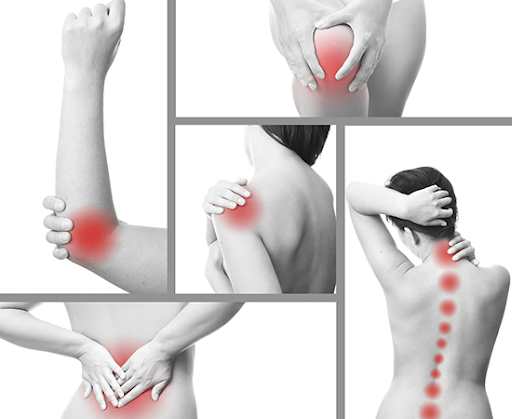
Conditions which may be helped by Osteopaths include:

Back pain
Sciatica, trapped nerves, neuralgia
Generalised aches and pains
Joint and muscle pains
Mechanical neck pain
Headache arising from the neck
Shoulder pain including frozen shoulder
Elbow pain, including tennis elbow
Hip and knee pain, including from osteoarthritis
Arthritic pain
Migraine prevention
Minor sports injuries and tensions
Postural problems including those experienced in pregnancy
Circulatory problems
Cramp
Digestion problems
Lumbago
Fibromyalgia
Inability to relax
Rheumatic pain